
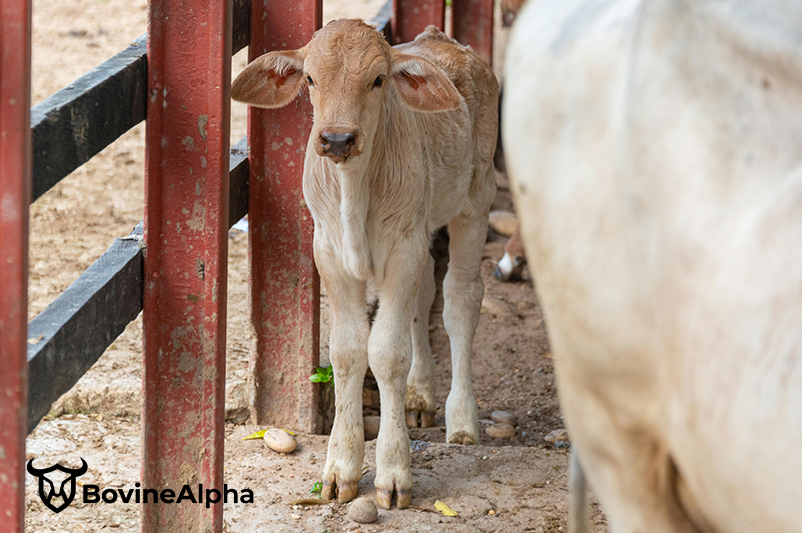
Successful cattle operations depend on breeding programs that align genetics with environment, market goals, and management capacity. From crossbreeding systems to reproductive planning, strategic breeding decisions determine long-term herd productivity, adaptability, and profitability.
This hub provides practical guidance for producers working with Angus, Brahman, and Brangus cattle across diverse U.S. production systems.
Crossbreeding Systems & Heterosis
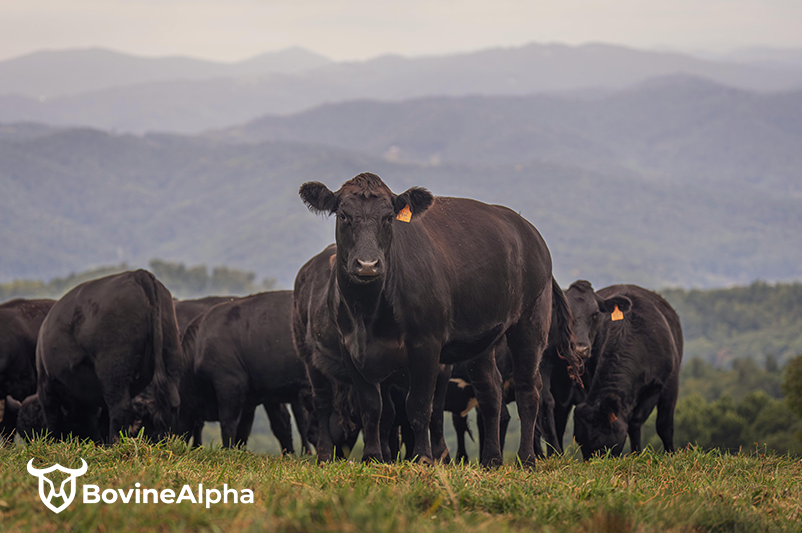
Crossbreeding combines complementary breed traits to produce offspring with improved performance compared to either parent breed. This phenomenon, known as heterosis or hybrid vigor, enhances fertility, growth rate, survivability, and environmental adaptability.
In the southern United States, crossbreeding programs commonly integrate Angus carcass quality with Brahman heat tolerance, resulting in highly productive Brangus-type cattle suited for challenging climates.
Sire Selection & Genetic Direction
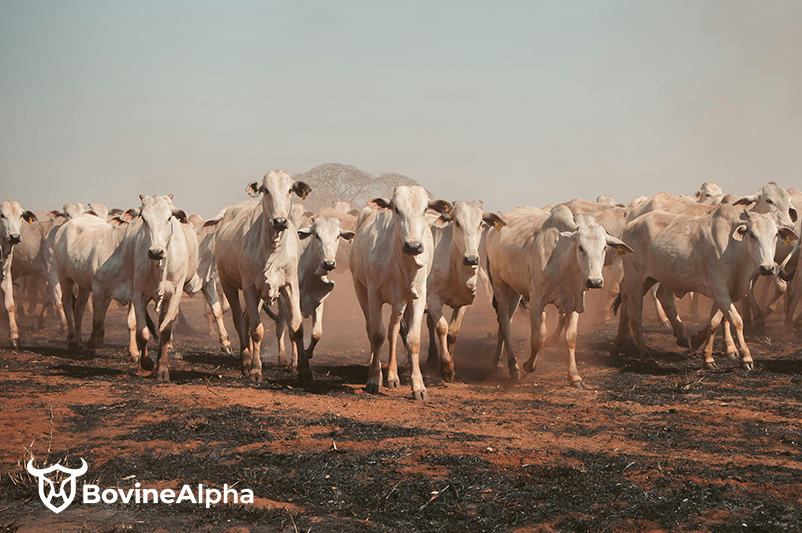
Selecting the appropriate herd sire is one of the most impactful decisions in a breeding program. Bulls contribute half of the genetic makeup of every calf crop, making their traits critical for shaping herd performance.
Producers typically evaluate:
- Calving ease and birth weight
- Growth potential
- Maternal traits
- Carcass characteristics
- Structural soundness
- Adaptability to local conditions
Aligning sire selection with production goals ensures consistent progress across generations.
Replacement Female Development
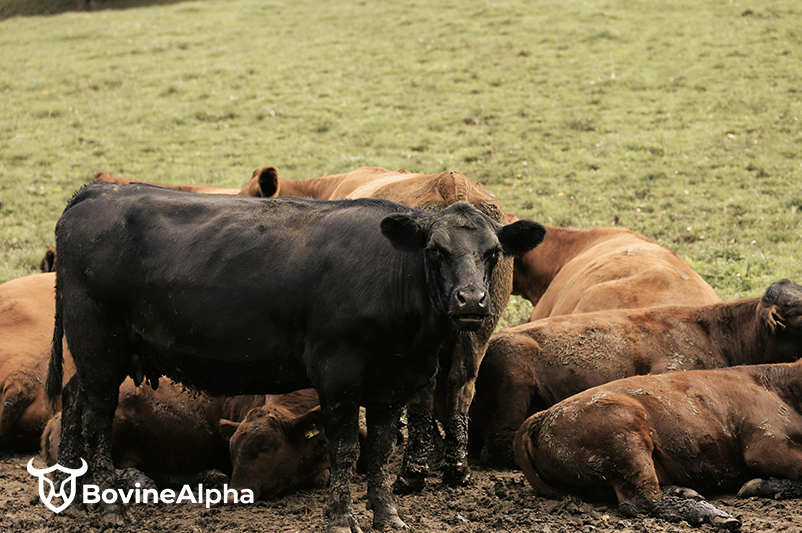
Long-term herd productivity depends on retaining or acquiring females capable of sustained reproductive performance. Replacement heifers should reach adequate body condition, structural maturity, and reproductive readiness before entering the breeding herd.
Key considerations include:
- Age and weight targets
- Nutritional management
- Reproductive tract development
- Temperament and structural soundness
- Maternal lineage performance
Well-developed replacement females contribute to higher conception rates, calf survival, and operational stability.
Breeding Methods: Natural Service vs Artificial Insemination
Both natural mating and artificial insemination (AI) are widely used in U.S. beef production, each offering distinct advantages depending on herd size, management capacity, and genetic objectives.
Natural service provides simplicity and lower labor requirements, making it common in extensive grazing systems. Artificial insemination allows rapid genetic improvement by accessing elite sires worldwide, improving uniformity and accelerating progress without maintaining multiple bulls.
Breeding Season Management
Controlled breeding seasons improve herd efficiency by concentrating calving periods, simplifying management, and producing more uniform calf crops.
Benefits include:
- More consistent weaning weights
- Simplified health protocols
- Improved marketing options
- Better labor efficiency
- Enhanced reproductive monitoring
Operations in harsh climates often schedule breeding to align calving with optimal forage availability.
Strategic Breeding for Long-Term Profitability
Effective breeding programs integrate genetics, environment, nutrition, and management to produce cattle that perform reliably under real-world conditions. Producers who plan breeding decisions strategically can enhance herd resilience, reduce production risk, and maximize economic returns over time.