
Genetics play a central role in the productivity and long-term success of any cattle operation. This section focuses on Angus, Brahman, and Brangus cattle, highlighting the traits that influence performance under real production conditions across the United States.
Rather than academic descriptions, the goal is to provide practical context for breed selection, environmental adaptation, and market-oriented outcomes.
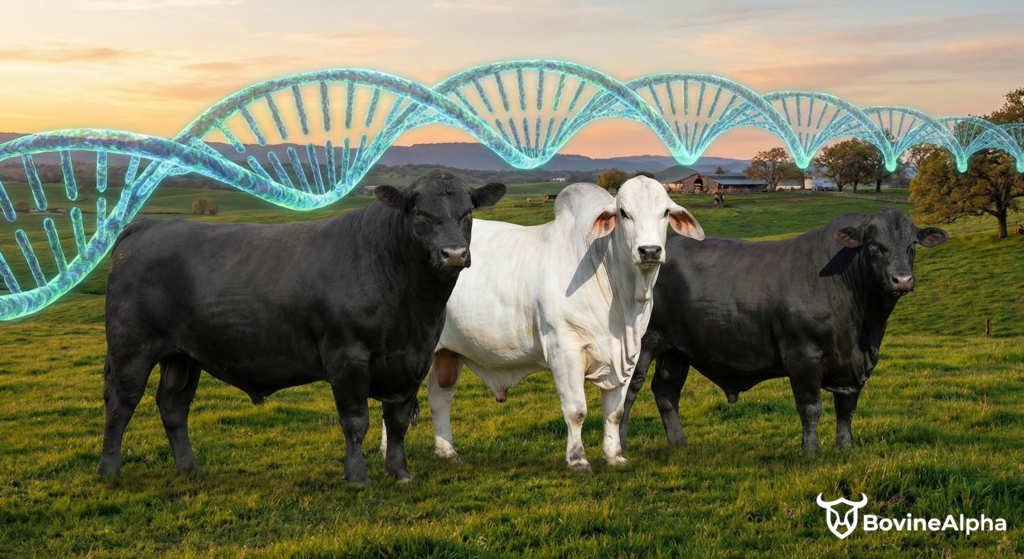
Why Genetics Matter in Commercial Operations
Genetic selection affects growth rates, fertility, carcass value, adaptability, and overall herd efficiency. Because breeding decisions influence multiple future calf crops, choosing appropriate genetics is one of the most important long-term investments in beef production.
Operations that align genetics with climate, management capacity, and market targets typically achieve more consistent and profitable results over time.
Leading U.S. Beef Breed Profiles
Understanding breed strengths helps producers match cattle to their environment, production system, and marketing goals.
1. ANGUS — Premium Beef Genetics
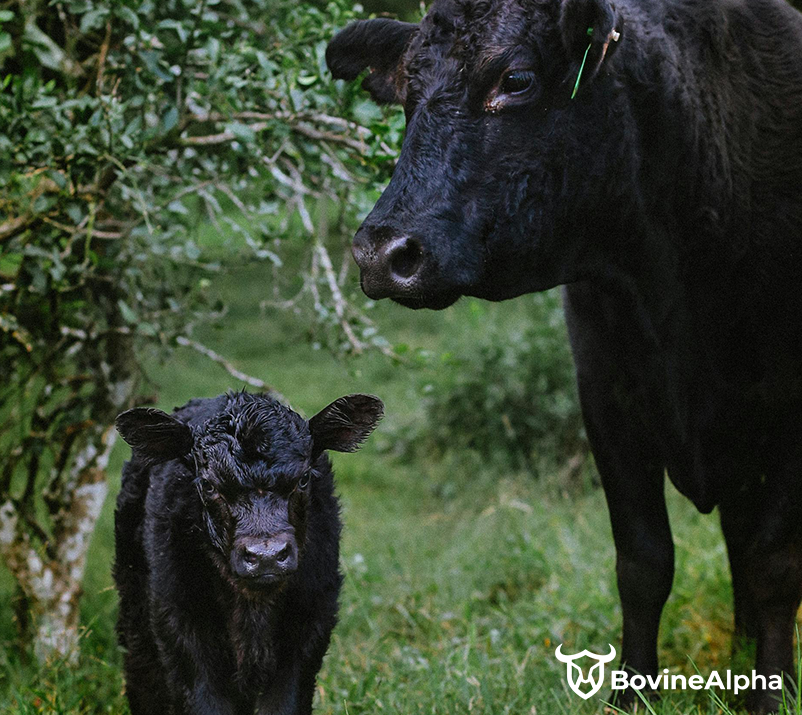
Angus cattle are widely used due to their ability to produce high-quality carcasses with strong marbling and efficient feedlot performance.
Commercial relevance: Often selected for programs targeting premium beef markets and consistent carcass value.
2. BRAHMAN — Adaptation to Harsh Environments
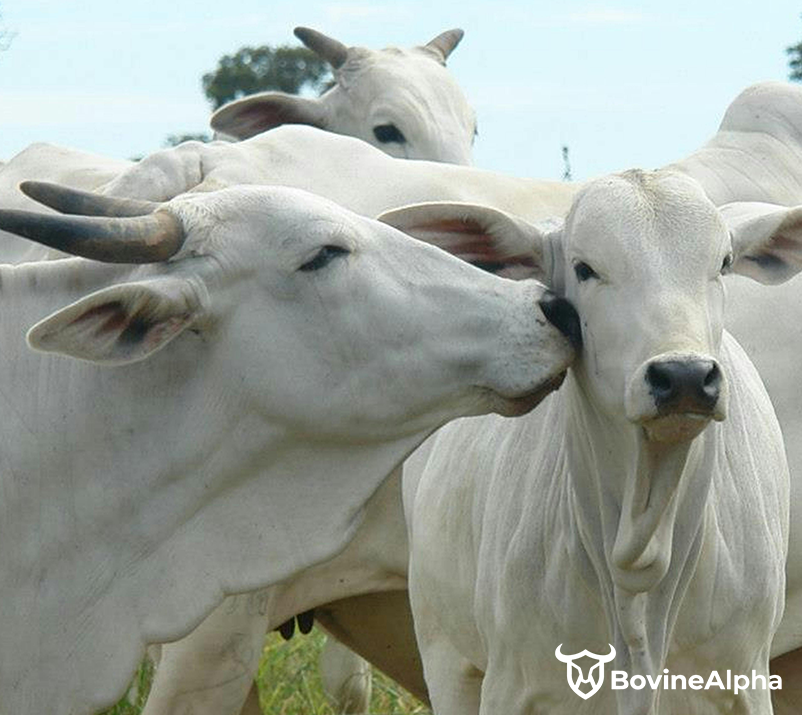
Brahman cattle perform well in hot, humid climates where heat stress, parasites, and forage variability challenge other breeds.
Commercial relevance: Frequently used in breeding systems designed for environmental resilience and longevity.
3. BRANGUS — Balanced Performance Cross
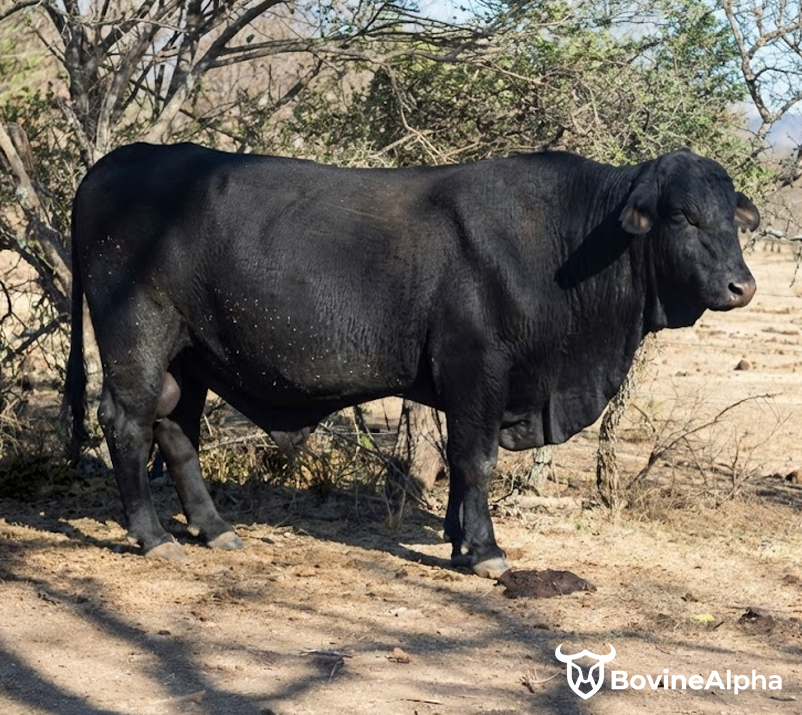
Brangus cattle combine Angus carcass traits with Brahman adaptability, offering a practical solution for challenging production environments.
Commercial relevance: Common in crossbreeding programs where both quality and resilience are required.
Understanding Expected Progeny Differences (EPDs)
Expected Progeny Differences (EPDs) estimate how an animal’s offspring are likely to perform for specific traits. These values allow producers to compare animals and make informed breeding decisions based on measurable data.
Key EPD categories include:
- Calving Ease — likelihood of unassisted births
- Weaning Weight — growth to weaning
- Yearling Weight — post-weaning growth potential
- Milk — maternal contribution to calf development
- Carcass Traits — marbling, ribeye area, fat thickness
How EPDs Influence Real-World Herd Performance
This overview explains how genetic predictions translate into practical outcomes such as growth rates, calving difficulty, and overall herd productivity.
Video source: Educational content courtesy of Nebraska Farm Bureau (YouTube).
Applying Genetic Information to Commercial Operations
Breed selection is not about choosing the “best” cattle overall, but the genetics that perform best under specific environmental and market conditions. Successful operations align breed strengths with climate, management resources, and production goals.
References — U.S. Sources
- USDA — Livestock & Beef Production
- https://www.usda.gov
- American Angus Association
- https://www.angus.org
- American Brahman Breeders Association
- https://brahman.org
- International Brangus Breeders Association
- https://gobrangus.com
- Texas A&M AgriLife Extension — Beef Cattle Resources
- https://agrilifeextension.tamu.edu
- University of Florida IFAS Extension — Beef Production
- https://ifas.ufl.edu